The holiday season is the perfect time to show gratitude and spread cheer, but if you’re aiming to give back, you’ll want every chocolate truffle, jar of jam, and cup of coffee in that festive hamper to carry the Fair Trade promise. Wondering how to confirm fair trade items in Christmas hamper? This guide will walk you through the process, ensuring your gift is as ethical as it is delicious.
Why Fair Trade Matters in Holiday Hampers
The idea of a Christmas hamper is simple: a curated collection of goodies that brings warmth and joy. But the real magic happens when those goodies support people and communities far beyond the local market. Fair Trade guarantees that producers receive a fair price, work in safe conditions, and invest in their communities. For the giver, it’s a gift that keeps on giving—both to the recipient and to the origin of the product.
> “Ethics is not a trend; it’s the foundation of true generosity.” – Anonymous
If you’re still unsure, ask yourself: Is my holiday gift a one‑time treat or a sustainable support system? The answer will guide your selection.
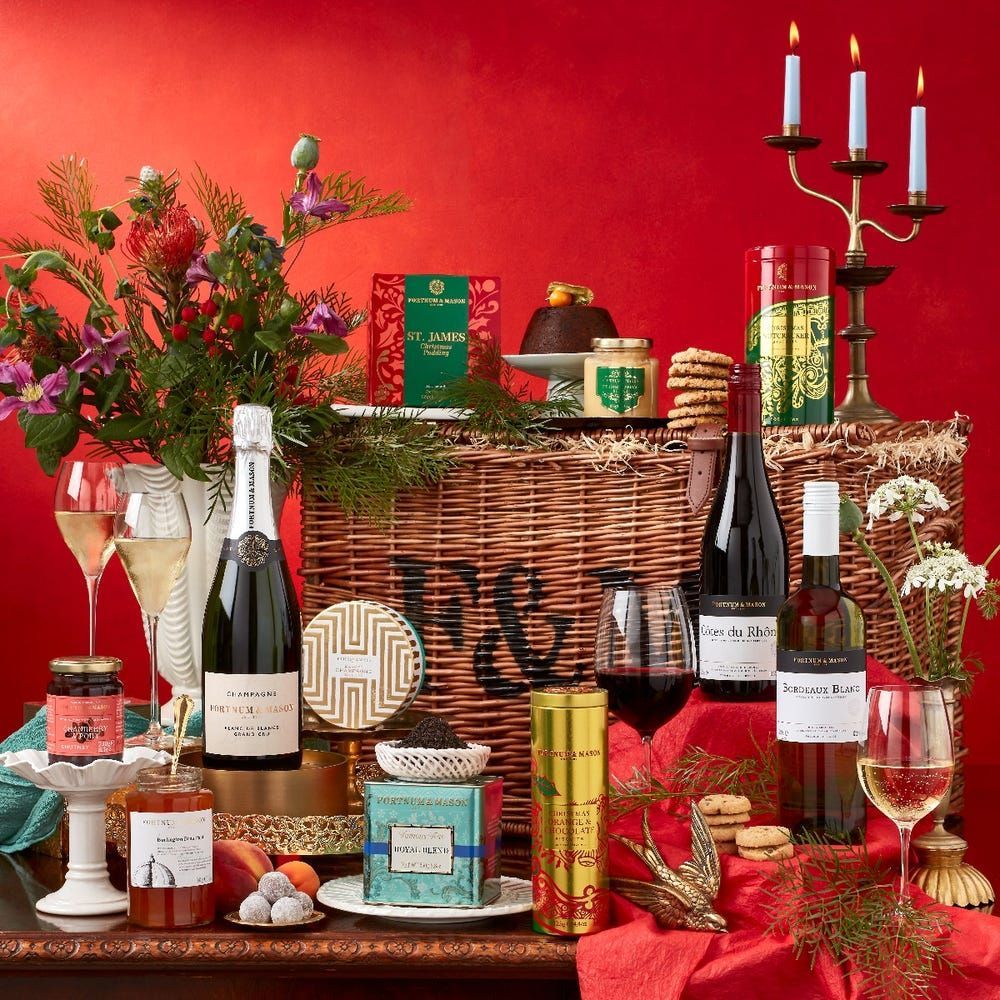
Key Signs of Authentic Fair Trade Products
Before you start checking labels, familiarize yourself with the most common indicators of genuine Fair Trade goods. These signs help you sift through the clutter and spot the real deal.
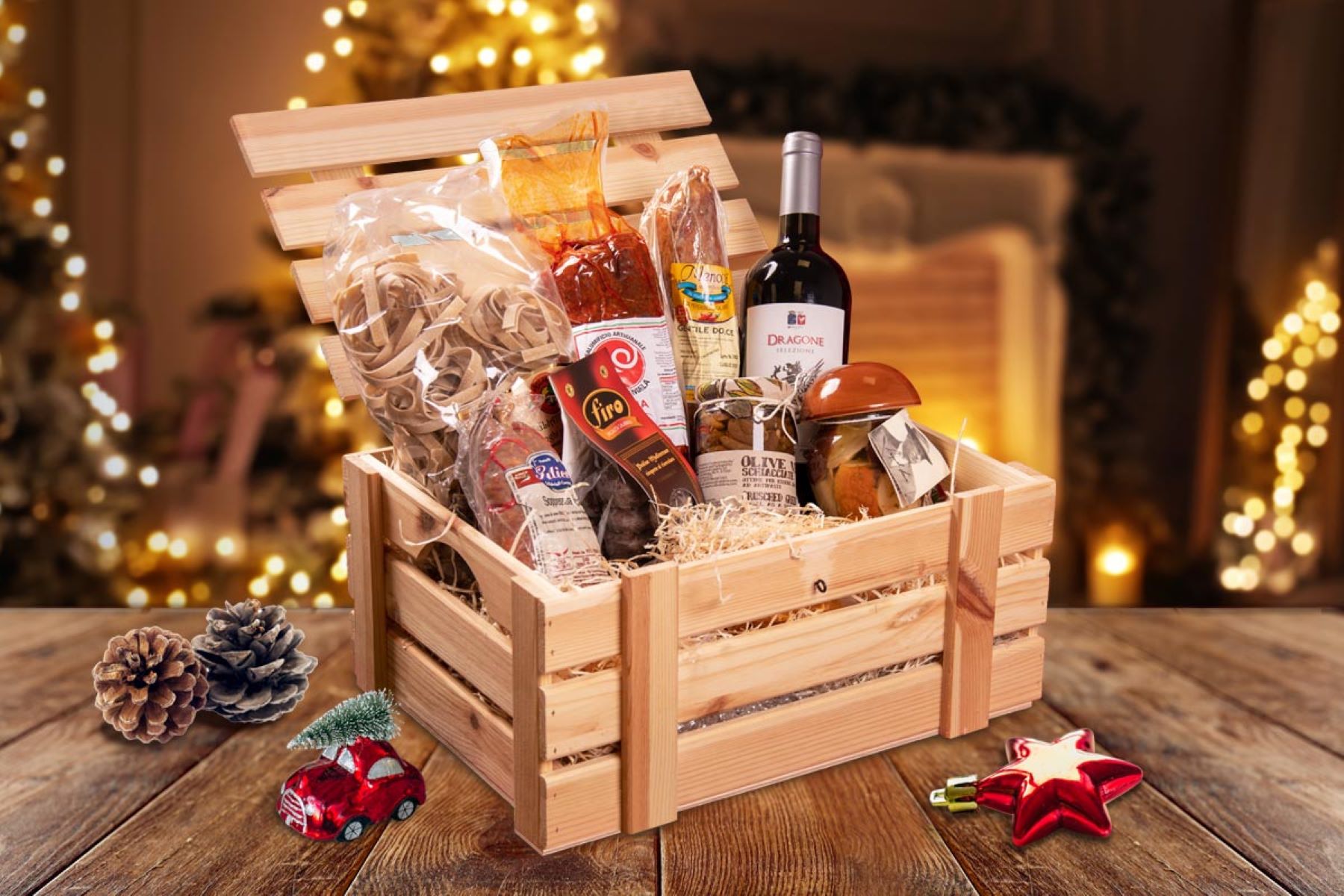
1. The Fair Trade Logo
The most visible cue is the Fair Trade International logo—a green circle with a white leaf. It’s a quick visual confirmation that the product meets the certification standards. Remember, a logo alone isn’t enough; the product must also have a certification number.
2. Certification Numbers
Every certified product carries a unique number that links it to a specific batch and producer. Look for numbers that start with “FT” followed by a series of digits. A quick online lookup can confirm the authenticity of the product.
3. Producer Information
Fair Trade products often include the producer’s name, location, and sometimes a brief story about their cooperative. This transparency is a hallmark of the movement and gives you a direct connection to the people behind the product.
4. Pricing Transparency
Fair Trade items are usually priced slightly higher than conventional goods. This premium reflects the fair wages and community projects funded by the producer. If a product is significantly cheaper, it may not be genuinely certified.
Practical Steps to Verify Each Item
Now that you know the signs, let’s dive into the step‑by‑step process of confirming that every item in your hamper is Fair Trade certified.
1. Read the Label Carefully
Start with the packaging. Look for the logo, certification number, and producer details. If the label is missing any of these, proceed to the next step.
2. Cross‑Reference the Certification Number
Visit the Fair Trade International website or use their mobile app. Enter the certification number to see if it’s active and linked to the correct product. This step is crucial because counterfeit labels can sometimes appear on non‑certified items.
3. Verify the Producer
Once you confirm the product’s certification, check the producer’s details. Search their name online or on the Fair Trade database. A legitimate producer will have a verifiable presence—often a cooperative website or social media page that explains their mission.
4. Check the Origin Country
Fair Trade products come from specific regions known for their unique crops or crafts. Verify that the country listed on the packaging matches the producer’s location. Mismatched information can be a red flag.
5. Look for Additional Certifications
Some products carry multiple certifications—such as organic, non‑GMO, or cruelty‑free. While these are not mandatory for Fair Trade, they reinforce the product’s overall ethical profile. However, don’t let the absence of extra certifications dissuade you; the core Fair Trade standard remains robust on its own.
Common Pitfalls and How to Avoid Them
Even seasoned shoppers can fall prey to Click to find out more marketing tricks. Here’s a quick cheat sheet to keep you on the right path.
- Beware of “Fair Trade” vs. “Fair Trade Certified”: The former can be a marketing buzzword, while the latter indicates official certification. Avoid Products with “Fair Trade” on the Packaging but No Logo: The logo is the visual proof of certification. Don’t Trust Products with “Fair Trade” Claims but No Certification Number: Without a number, you can’t verify authenticity. Watch Out for Over‑Premium Pricing: Extremely high prices can indicate a scam or a product that’s been rebranded.
Putting It All Together: A Sample Hamper Checklist
Let’s translate these Harris Farm Markets steps into a practical checklist you can use when assembling your Christmas hamper.
- Chocolate Truffles ✅ Fair Trade logo present ✅ Certification number matches product ✅ Producer: CocoaCoop, Ghana
- Herbal Tea ✅ Fair Trade Certified ✅ Organic label (optional but nice) ✅ Producer: TeaFriends, India
- Gourmet Jam ✅ Fair Trade logo ✅ Producer: JamCo, Ecuador ✅ No certification number? Double‑check online
- Coffee Beans ✅ Fair Trade Certified ✅ Certification number verified ✅ Producer: CoffeeCrafters, Colombia
- Handmade Soap ✅ Fair Trade Certified ✅ Producer: SoapSquad, Vietnam ✅ Extra: Cruelty‑free certification
Use this list as a template for any item you add. The goal is to keep the hamper’s integrity intact while still delighting your recipient with quality treats.
The Perfect Gift Awaits
Now that you’ve mastered the art of confirming fair trade items, you’re ready to create a Christmas hamper that’s both merry and meaningful. Think of it as a holiday gift that’s a gift in itself—a small act of kindness that reverberates across borders.
Remember, the process isn’t just about ticking boxes; it’s about fostering a connection between the giver, the recipient, and the producer. As you hand over that carefully curated hamper, you’ll be saying, “Merry Christmas, and thank you for supporting fair trade.” And that, dear reader, is the truest gift of all.
If you’re ready to put this knowledge into practice, start by scanning the labels of your favorite holiday staples. Your future self—and the producers behind those goodies—will thank you.